
Makkah is not a typical travel destination. For Muslims, it is the spiritual heart of Islam, the direction of prayer, and the home of Al-Masjid Al-Haram, where every Umrah and Hajj journey reaches its deepest meaning.
Millions of Muslims plan a trip to Makkah each year for worship, reflection, and a closer connection to Islamic history.
Unlike leisure destinations in Saudi Arabia, the main purpose of visiting Makkah is spiritual, but practical planning still shapes the experience. Travelers need to know when to visit, how to reach the city, where to book a hotel in Makkah, and how to move around Masjid Al Haram during busy periods.
This Makkah travel guide gives pilgrims and first-time visitors practical insight into Makkah city, Makkah province, and nearby routes to Jeddah, Madinah, and Taif. For tailored travel support, let our team help you plan your journey, or start exploring our Saudi travel services today.
Why Makkah Region Is One of the World’s Most Important Muslim Destinations
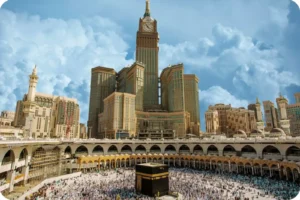
The Makkah region is important because Makkah is home to Al-Masjid Al-Haram, also known as the Great Mosque of Makkah or the Holy Mosque Makkah. At its center stands the Kaaba, the most sacred site in Islam and the qibla toward which Muslims around the world pray.
A trip to Makkah is different from a normal holiday because the visit is usually built around spiritual intention. Many travelers are not choosing Makkah for beaches, entertainment, nightlife, or luxury alone. They come to pray, perform Umrah in Makkah, complete Hajj when eligible, drink Zamzam, walk between Safa and Marwa, and spend time near the Kaaba Makkah.
Makkah is also different because access is restricted to Muslims. Non-Muslim cultural travelers can study the city’s history, architecture, and role in Islamic heritage from outside, and they can visit nearby destinations such as Jeddah or Taif, but Makkah itself is a sacred city reserved for Muslims.
Makkah City, Makkah Region, and Makkah Province Explained
| Term | What it means | Why it matters for travelers |
| Makkah city | The urban area around Masjid Al Haram and nearby districts. | This is where most pilgrims stay, pray, and plan their daily movement. |
| Makkah province | The wider administrative area in western Saudi Arabia, including Makkah, Jeddah, and Taif. | It helps travelers understand airport access, nearby cities, and wider Saudi routes. |
| Makkah region | A common travel term often used to describe the broader area around Makkah province. | It is useful when planning routes that may include Jeddah, Taif, or other nearby destinations. |
| Madinah | A separate city and province, not part of Makkah province. | It is often added to a trip to Makkah through the Haramain Train or road travel. |
This distinction matters because a trip to Makkah may start at Jeddah airport, continue to Makkah for Umrah, then extend to Madinah by Haramain Train or include Jeddah and Taif as part of a wider Saudi Arabia itinerary.
Why This Difference Matters for Travel Planning
When choosing a hotel in Makkah, you are planning for prayer access and daily movement around Al-Masjid Al-Haram. When planning the Makkah region, you are thinking about airport transfers, intercity transport, possible day trips, and how Makkah connects with Jeddah, Madinah, and Taif.
Religious Importance of Makkah and Al-Masjid Al-Haram
Al-Masjid Al-Haram is the heart of Makkah and the main reason most travelers visit. It surrounds the Kaaba and includes areas used for tawaf, prayer, Sa’i between Safa and Marwa, and other acts of worship.
For a first-time visitor, the scale can feel overwhelming: the mosque complex, nearby towers, underground routes, escalators, gates, hotel entrances, transport points, and crowd-control systems all function together to serve enormous numbers of worshippers.
Explore our Saudi Arabia offers to find carefully planned travel packages for Makkah, Madinah, Jeddah, Riyadh, AlUla, and other key destinations across the Kingdom.
The Kaaba and the Meaning of the Qibla
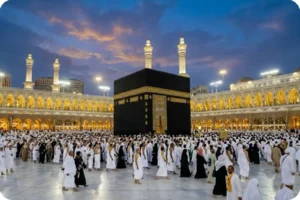
The Kaaba is central to Muslim worship. Muslims do not worship the Kaaba; rather, it is the unified direction of prayer.
For pilgrims, seeing the Kaaba for the first time is often the most emotional moment of the journey.
Hajj and Umrah: What Makes Them Different?
Hajj is an annual pilgrimage performed during specific dates in the Islamic calendar and is required once in a lifetime for Muslims who are physically and financially able. It involves specific rituals in Makkah and the holy sites, including Mina, Arafat, and Muzdalifah.
Umrah can usually be performed at many times of the year outside Hajj restrictions. A good guide for umrah should explain the basics without making the journey sound casual.
Umrah includes entering ihram, making tawaf around the Kaaba, performing Sa’i between Safa and Marwa, and completing the ritual by cutting or shortening the hair.
Why Makkah Is the Spiritual Center of Islam
Makkah is linked to the life of Prophet Muhammad, the early period of Islam, and key Islamic landmarks in Makkah such as Jabal Al Nour, Cave of Hira, and Jabal Thawr. These places help visitors understand Islamic history in Makkah beyond the physical act of worship.
Visit our travel blog for more destination guides, practical travel tips, and helpful insights about planning a smooth journey across Saudi Arabia.
Planning a Trip to Makkah:
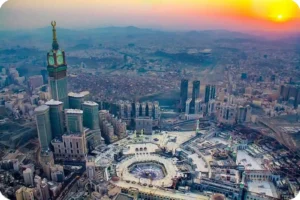
A successful trip to Makkah starts with timing. The city is open for worship year-round, but the visitor experience changes dramatically by season, month, prayer time, and hotel location.
Best Time to Visit Makkah for Umrah
For many travelers, the best time to visit Makkah is outside the most crowded periods. The cooler months from roughly November to February are easier for walking, elderly travelers, and families with children.
Ramadan is spiritually powerful but much more crowded and often more expensive. Hajj season is a separate journey with its own permit system, rules, and official packages.
If your goal is a calm guide for umrah experience, avoid the final days of Ramadan, school holidays, and major public holidays when possible.
If you want the atmosphere of Ramadan, book early and accept higher hotel costs and heavier crowds.
Weather in Makkah Throughout the Year
Makkah has a hot desert climate. Summer can be extremely hot, with daytime temperatures often above 40°C. Winter is warmer than many international visitors expect, but it is usually more comfortable for walking between the hotel, Masjid Al Haram, restaurants, and transport points.
How Many Days Are Enough in Makkah?
For a basic Umrah trip to Makkah, three nights can be enough if flights, transfers, and hotel location are well arranged. However, four to five nights are better for first-time pilgrims because they allow rest, repeated prayers at Masjid Al Haram, and time to visit selected Islamic heritage sites.
A practical Makkah itinerary may look like this:
- 3 days: Umrah, prayers at Al-Masjid Al-Haram, Zamzam, Clock Tower area, and one light historical visit.
- 5 days: Umrah, more prayer time, Jabal Al Nour area, Hira Cultural District, local markets, and transfer to Madinah.
- 7 days or more: Better for elderly travelers, families, or visitors combining Makkah and Madinah at a slower pace.
Transportation and Accessibility in Makkah Province

Makkah has no commercial airport inside the city. Most international travelers arrive through King Abdulaziz International Airport in Jeddah, then continue by private transfer, taxi, bus, or Haramain Train.
Learn more About Us and discover how our team helps travelers arrange airport transfers, intercity routes, hotel stays, and complete Saudi travel services.
Best Ways to Travel from Jeddah to Makkah
Travelers arriving at King Abdulaziz International Airport can reach Makkah by private transfer, taxi, the Haramain High-Speed Train or bus. The best option depends on your arrival time, luggage, group size, budget and hotel location.
| Transport Option | Approximate Travel Time | Best For | Important Notes |
|---|---|---|---|
| Private Airport Transfer | 60–90 minutes | Families, groups, elderly pilgrims and travelers with heavy luggage | Offers direct, door-to-door transport from Jeddah Airport to your Makkah hotel. Advance booking is recommended during Ramadan, school holidays and other busy travel periods. |
| Airport Taxi or Ride-Hailing Service | 60–90 minutes | Couples, solo travelers and visitors who prefer flexible departure times | Travel time and fare depend on traffic, demand and the location of your hotel. Confirm the estimated fare or use the app before starting the journey. |
| Haramain High-Speed Train | Approximately 35–60 minutes by train, plus the hotel transfer | Solo travelers, couples and passengers with light or moderate luggage | Trains depart from the airport railway station and arrive at Makkah Station. A taxi or hotel transfer is still required to reach Masjid Al Haram or your accommodation. Check the timetable before your flight because departure times may vary. |
| Intercity Bus | Approximately 1.5–2.5 hours | Budget travelers and passengers who are not in a hurry | The bus may arrive at a station rather than directly at your hotel. Check the departure point, final stop, luggage policy and onward transport before booking. |
Areej Travel Tip: A private transfer is usually the easiest option for families, elderly pilgrims and travelers carrying several bags. The Haramain Train can be faster, but the total journey also includes waiting time and transportation from Makkah Station to the hotel.
Travel times are approximate and may increase during Ramadan, Umrah peak seasons, public holidays and periods of heavy traffic. They do not include passport control, baggage collection or waiting time after arrival.
Where to Stay: Hotel in Makkah Guide for Every Budget
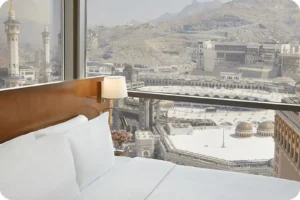
Choosing a hotel in Makkah is one of the most important decisions in the whole trip. The cheapest option is not always the best value if it causes daily stress, long walks, missed prayers, or expensive transport.
Best Area to Stay Near Masjid Al Haram
The most convenient areas are around the central Haram zone and the Abraj Al Bait / Clock Tower Makkah area. These locations are ideal for visitors who want quick access to prayer, especially elderly pilgrims and families.
However, prices are usually higher, and elevators, lobbies, and food courts can be crowded during peak periods.
Where to Stay: Best Hotel in Makkah Options Near Masjid Al Haram
Accommodation type |
Best for |
Key Makkah travel tips |
| Luxury hotels in Makkah near Haram | Pilgrims who want comfort, Haram views, direct access, and less walking. | A luxury hotel in Makkah is usually more expensive, especially during Ramadan and Hajj, but it can save time and physical effort. |
| Mid-range Makkah hotels | Travelers looking for balance between price, comfort, and access to Masjid Al Haram. | Choose a hotel in Makkah with clean rooms, reliable shuttle service, breakfast, and reasonable travel time to the Haram. |
| Budget-friendly Makkah accommodation | Groups, younger travelers, and visitors who do not mind staying farther from the Haram. | Check shuttle frequency, drop-off points, and late-night service before booking, as transport can affect the full trip experience. |
Recommended Hotels Near Masjid Al Haram
- Fairmont Makkah Clock Royal Tower: A luxury option inside the Abraj Al Bait complex, suitable for travelers who want direct and convenient access to Masjid Al Haram.
- Swissôtel Makkah: Located within Abraj Al Bait and ideal for families, couples and first-time visitors looking for a central location near the Haram.
- Conrad Jabal Omar Makkah: A comfortable choice near King Fahad Gate, with spacious rooms and easy access to the main prayer areas.
- Jabal Omar Marriott Hotel: Suitable for families and groups, especially those who prefer larger rooms and hotel transportation services.
Areej Travel Tip: Do not choose a hotel based only on the distance shown online. Check the actual walking route, slopes, lifts, road crossings and shuttle drop-off points before booking.
Estimated Makkah Trip Costs in 2026
The cost of a trip to Makkah depends on the hotel location, travel season, transport option and length of stay. The estimates below can help travelers compare budget, mid-range and premium options before booking.
Please note: Prices are approximate and may increase during Ramadan, school holidays and other peak Umrah periods.
Things to Do in Makkah: Important Places and Experiences
After completing Umrah, visitors can explore selected historical and cultural sites while keeping worship and rest at the center of the trip.Makkah is not a theme-park destination.
The most important experiences are worship, reflection, learning, and understanding Islamic history.
Still, there are meaningful Makkah attractions and Makkah places to visit when planned respectfully.
-
Al-Masjid Al-Haram and the Kaaba
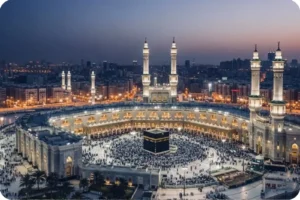
The central experience of any trip to Makkah is spending time at Al-Masjid Al-Haram. Visitors should learn the main gates, prayer areas, crowd routes, and meeting points.
Families should agree on a clear meeting location because mobile networks may be slow during peak crowding.
-
Zamzam Well and Zamzam Water
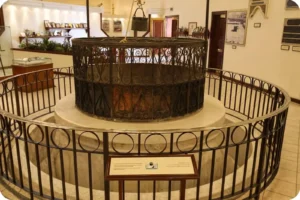
Zamzam is deeply meaningful for Muslims and widely available inside the mosque complex through designated dispensers.
Drink respectfully, avoid blocking walkways, and do not create crowding around water points.
-
Jabal Al Nour and Cave of Hira
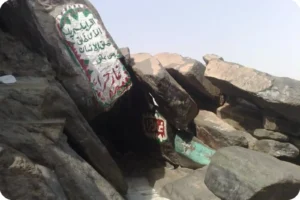
Jabal Al Nour is associated with the Cave of Hira, where Muslims believe the first revelation came to Prophet Muhammad. The climb is physically demanding and not suitable for everyone. Many travelers now visit the Hira Cultural District at the foot of the mountain to learn about the story in a more accessible way.
-
Jabal Thawr
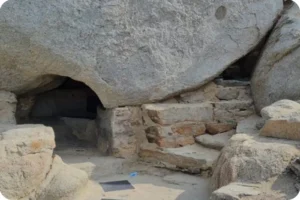
Jabal Thawr is connected with the Hijrah story and the Prophet’s journey from Makkah to Madinah. Like Jabal Al Nour, it requires physical ability and careful timing. It is better visited early and with a knowledgeable local guide.
-
Makkah Clock Tower Area and Abraj Al Bait
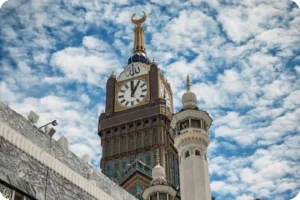
The Makkah Clock Tower area is one of the most recognizable modern landmarks in the city. It includes hotels, shopping areas, food courts, and access routes used by many visitors staying near Haram. It is practical, crowded, and often expensive, but very convenient.
-
Markets and Local Food:
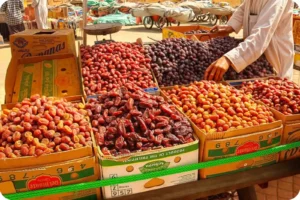
Makkah markets offer prayer garments, dates, perfumes, prayer mats, souvenirs, and daily essentials. For traditional food experiences, look for local Saudi, Hijazi, Yemeni, Pakistani, Indian, Indonesian, Turkish, and Middle Eastern restaurants. Makkah’s food scene reflects the international nature of pilgrimage.
-
Beyond Worship: Culture, History, and Development
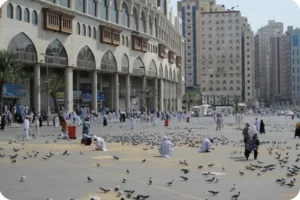
Makkah beyond worship is best understood through heritage, movement, and service. The city has changed dramatically over time to manage increasing pilgrim numbers, larger hotel capacity, improved roads, rail connections, digital guidance, and crowd-control systems.
-
Makkah Museums and Cultural Attractions
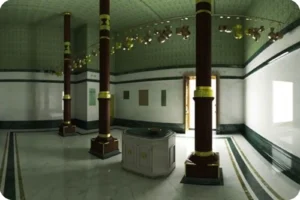
Visitors interested in Makkah history can consider cultural places such as Hira Cultural District, the Clock Tower Museum where available, and other museums or exhibitions depending on operating schedules.
Always check opening hours before visiting because timings can change by season.
Contact Us to get personalized support with your Makkah travel plan, including timing, hotel selection, transfers, and route arrangements.
Understanding Makkah Heritage
Makkah heritage is not limited to historic buildings or famous landmarks. It is shaped by faith, migration, trade routes, Islamic scholarship, hospitality, and the continuous arrival of Muslims from different cultures.
This is what makes the Makkah region different from many other Saudi destinations.
A well-planned trip to Makkah should help visitors understand the city as a sacred place, a living community, and a major part of Makkah province, not just a location for photos or short sightseeing stops.
Practical Makkah Travel Tips for First-Time Visitors
A useful Makkah trip planner should focus on the small details that affect the whole journey. Before booking a hotel in Makkah, check the walking distance to Masjid Al Haram, shuttle availability, prayer-time traffic, and whether the route is suitable for elderly travelers or families. First-time visitors should also use a reliable guide for umrah to understand the basic rituals, avoid rushed planning, and leave enough time for rest, worship, and selected things to do in Makkah after Umrah.
What Visitors Should Wear
Muslim men performing Umrah must wear ihram clothes during the ritual, while modest and comfortable clothing is recommended outside ihram clothes.
Women should choose loose, modest outfits that are suitable for prayer, walking, and long hours near Masjid Al Haram.
Comfortable footwear is essential during any trip to Makkah, especially if your hotel in Makkah requires walking to the Haram or shuttle drop-off points.
Choose shoes or sandals that are easy to remove, comfortable for long distances, and simple to carry safely.
Cultural Etiquette
Respect prayer times, avoid loud behavior, do not photograph people closely without permission, and keep walkways clear. Be patient with elderly visitors and wheelchair users. Do not treat sacred spaces like ordinary tourist attractions.
Crowd Management Tips
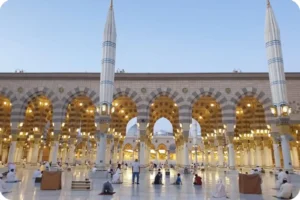
Avoid entering the densest areas if you are tired, dehydrated, or traveling with small children.
Choose meeting points away from moving crowds. Keep hotel cards, ID, and emergency contacts with every traveler. For group tours, agree on a clear return plan before separating.
Helpful Mobile Apps for a Trip to Makkah
A practical guide for umrah should remind travelers to prepare their mobile apps before arrival. Useful apps may include:
- Nusuk for pilgrimage services
- maps for walking routes around Masjid Al Haram
- ride-hailing apps for local transport
- airline apps for flight updates
- hotel booking apps
- translation tools for international visitors.
Before any trip to Makkah, travelers should also check official requirements, permits, and health updates, as rules may change by season.
Common Mistakes First-Time Visitors Make
Many first-time visitors focus only on price when booking a hotel in Makkah, then discover that distance, shuttle service, and walking routes matter more during daily prayers.
Other common mistakes include:
- underestimating heat
- trying to visit too many places in one day
- ignoring rest time after Umrah
- not understanding the difference between Hajj and Umrah rules.
A smart plan in the Makkah region should balance worship, comfort, transport, and selected things to do in Makkah without making the journey stressful.
FAQs About Makkah Region
-
Is Makkah safe for visitors?
Makkah is generally safe for visitors when they follow local rules, use official services, protect personal belongings, and avoid unauthorized Hajj or Umrah arrangements. The main risks are crowd pressure, heat, fatigue, scams, and poor planning.
-
How many days are enough in Makkah?
Three days can be enough for a short Umrah-focused trip to Makkah, but four to five days are better for first-time pilgrims who want rest, prayer time, and one or two meaningful historical visits.
-
What should first-time visitors know before visiting Makkah?
First-time visitors should plan their trip to Makkah around worship, rest, and easy movement. Book a hotel in Makkah based on distance to Masjid Al Haram, not price only, and learn the basic Umrah steps before arrival. It is also important to keep documents, permits, comfortable footwear, and a clear meeting point ready, especially during crowded periods.
-
What is the closest airport to Makkah?
The closest major airport to Makkah is King Abdulaziz International Airport in Jeddah. Although many travelers search for Makkah airport, there is no commercial airport inside Makkah city.
Most pilgrims arrive through Jeddah airport and then arrange an airport transfer to Makkah by private car, taxi, bus, or train connection.
-
What is the best time for Umrah?
The best months for Umrah are usually November, December, January, and February, when the weather in Makkah is cooler and walking around Masjid Al Haram is easier. For fewer crowds, many travelers prefer periods outside Ramadan, school holidays, and the Hajj season.
-
What are the best things to do in Makkah after Umrah?
The best things to do in Makkah after Umrah include praying at Masjid Al Haram, learning about Islamic history, visiting Hira Cultural District, exploring local markets, trying traditional food, and planning a respectful visit to selected Makkah holy sites.
Conclusion:
A successful trip to Makkah starts with clear planning, from choosing the right hotel in Makkah to understanding transport, worship times, and the best things to do in Makkah after Umrah.
The Makkah region and wider Makkah province offer more than one travel route, especially when combined with Jeddah, Madinah, Taif, or other Saudi destinations.
If you need a tailored guide for umrah or a complete Saudi Arabia travel package, contact us on WhatsApp to get the best package for Makkah and destinations across the Kingdom.
Suggested: