
Abha and the wider Aseer region offer one of Saudi Arabia’s most distinctive travel experiences. Instead of broad desert plains or a fast-paced city break, visitors find mountain roads, highland viewpoints, traditional villages, regional art, local food and landscapes shaped by the Sarawat Mountains.
Abha works well as the main base for exploring Aseer because it combines city attractions with easy access to mountain destinations and heritage sites. The appeal, however, goes beyond the cooler highland setting. A trip here can move from contemporary cafés and urban walks to old stone architecture, misty peaks and villages that preserve the visual identity of southern Saudi Arabia.
For travelers who want nature and culture in the same itinerary, Abha and Aseer deserve several days rather than a quick stop.
Planning a trip to Abha? Areej Al Alam Travel & Tourism can help you turn this guide into a personalized journey through Abha and Aseer, with accommodation, transportation and experiences arranged around your travel dates.
Why Visit Abha and Aseer?
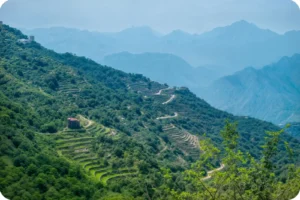
The strongest reason to visit Aseer is the combination of mountain landscapes and regional culture.
Abha sits within the highlands of southwestern Saudi Arabia, making it a useful starting point for scenic drives, mountain parks, viewpoints and excursions into surrounding communities. The wider Aseer region also contains architecture, crafts, food traditions and heritage villages that give the trip a strong sense of place.
This makes the experience noticeably different from other major Saudi destinations.
Riyadh is better suited to travelers interested in a large modern capital and Najdi heritage; Jeddah combines Red Sea experiences with historic Al-Balad; and AlUla is centered more heavily on archaeology, desert landscapes and monumental heritage.
Aseer offers something else: Saudi highlands, traditional architecture, mountain villages, scenic roads and a culture closely linked to the landscape.
Best Things to Do in Abha
Explore Al Muftaha District
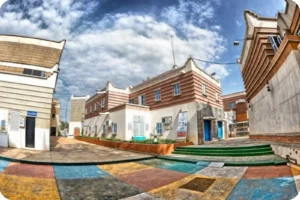
Al Muftaha is a good place to begin if you want to understand the cultural side of Abha before heading into the mountains.
The district brings together traditional Aseeri architectural details, art, cultural spaces and crafts. Rather than treating it as a quick photo stop, allow time to walk through the area and notice the patterns, colors and building forms associated with local identity. Official tourism platforms continue to present Al Muftaha as one of Abha’s important cultural attractions.
Because programs, exhibitions and paid events can change by season, check what is actually operating during your travel dates instead of relying on old schedules.
See the Views from Green Mountain
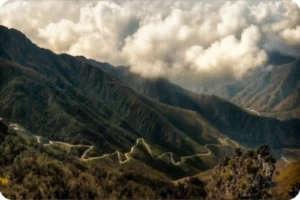
Green Mountain, also known as Jabal Thera, is one of Abha’s familiar elevated landmarks. Its position overlooking the city makes it especially attractive around sunset and in the evening, when the urban landscape below becomes part of the experience.
Cable-car routes and other visitor services in the area can be operational or unavailable depending on current conditions, so confirm access before building your day around a specific ride or attraction. Visit Saudi was still promoting Abha’s cable-car experiences in 2026, but operating details should always be checked for your exact date.
Walk Along Abha Art Street
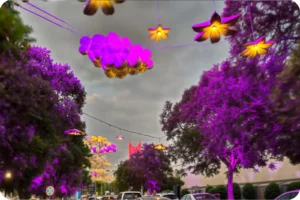
For an easier city-based evening, Art Street adds a more contemporary side to the Abha experience. It combines public space, art, cafés and seasonal activity and works best as a relaxed walk rather than a major half-day attraction.
It can be paired naturally with Al Muftaha and nearby central attractions, helping balance heritage sightseeing with modern city life.
Discover Soudah Mountain
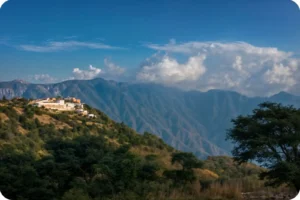
A trip to Abha feels incomplete without spending time in the mountains, and Soudah is one of the key areas to consider.
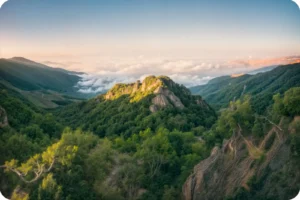
The landscape around Al Soudah is characterized by high peaks, mountain roads, viewpoints and changing weather conditions. Mist and cloud can dramatically change visibility, sometimes becoming part of the experience rather than simply an inconvenience.
Travelers interested in walking and outdoor activities can also find hiking experiences around the Aseer highlands, although routes should be selected according to conditions and ability rather than attempted casually. Official regional itineraries pair Soudah with historic sites and viewpoints, showing why the area is worth at least half a day.
Do not assume a cable car, attraction or seasonal experience will operate year-round. Check current conditions before departure, especially if a particular activity is central to your plans.
Visit Rijal Almaa Heritage Village
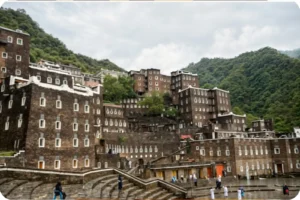
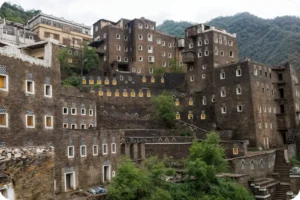
About 45 kilometers west of Abha, Rijal Almaa Heritage Village is one of the most important cultural excursions in the Aseer region. The drive itself forms part of the experience as the landscape shifts through the mountains.
The village is known for historic multi-story buildings made from local stone, clay and wood. Walking through the settlement reveals how traditional architecture adapted to the mountain environment, while the local heritage museum adds context to the area’s history and material culture.
Rijal Almaa is sometimes incorrectly described online as a UNESCO World Heritage Site. More precisely, it has been on Saudi Arabia’s UNESCO World Heritage Tentative List since 2015; it is not currently an inscribed World Heritage property.
Soudah and Rijal Almaa can be combined in one day if you start early and allow generous driving time. Avoid filling the same day with too many additional stops.
Experience Al Habala Village
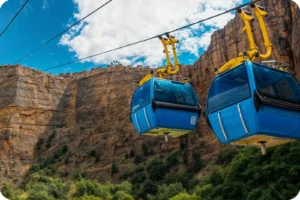
Al Habala offers another perspective on the relationship between Aseer’s communities and its dramatic terrain.
Historically, the settlement’s location among steep cliffs made access difficult; its name is associated with the ropes once used by residents to connect with the outside world. Today, the broader Al Habala area is visited for scenery, mountain views and its unusual setting.
Discover Aseer describes Al Habala as roughly a 40-minute drive from Abha and promotes a cable-car experience in the area. However, visitors should verify current access and cable-car operation before traveling because tourism facilities can be seasonal or temporarily unavailable.
Experience Asiri Culture and Al-Qatt Al-Asiri
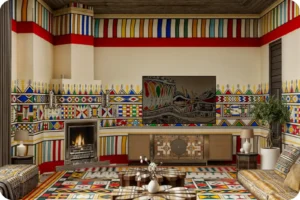
Focusing only on green scenery would miss an important part of what makes Aseer distinctive.
One of the region’s most recognizable artistic traditions is Al-Qatt Al-Asiri, a form of geometric interior wall decoration historically practiced largely by women. UNESCO inscribed the tradition on the Representative List of the Intangible Cultural Heritage of Humanity in 2017.
Travelers can encounter the visual language of Aseer through painted interiors, heritage houses, museums, cultural districts and local craft displays. Al Muftaha is an accessible introduction in Abha, while villages and smaller heritage sites reveal how art and architecture developed together.
Traditional houses are particularly worth examining rather than simply photographing from outside. Colors, geometric forms, stonework, mud construction and interior decoration help explain why Asiri culture remains such an important part of the region’s tourism identity.
Markets are another useful window into local life. Abha’s historic Tuesday Market, for example, remains associated with local trade and sits near Al Muftaha.
Visit Abha Dam Lake
Abha Dam Lake provides a slower break between sightseeing stops. The surrounding mountain setting makes it suitable for photography, relaxed walks and simply taking in the landscape.
It fits particularly well into an afternoon itinerary after exploring central Abha. You can then continue toward one of the city’s elevated viewpoints before dinner rather than spending an entire day around the lake. Discover Aseer includes the dam among the city’s established attractions.
What to Eat in Abha and Aseer
Food should be treated as part of the itinerary, not something to fit in between attractions. Aseeri cuisine reflects the region’s agricultural traditions, climate and social customs, and the official regional tourism platform actively promotes food-focused cultural experiences.
Areeka

Areeka is one of the best-known foods associated with southern Saudi Arabia. It is a rich, filling dish built around bread or dough that is broken down and combined into a soft mixture, commonly served with ingredients such as dates, honey or ghee depending on the preparation.
It works particularly well as a traditional breakfast or dessert-like local food experience. Rather than judging it only by appearance, try it at a restaurant that specializes in southern Saudi dishes.
Haneeth

Haneeth is a slow-cooked meat dish strongly associated with southern Saudi cuisine. The meat is prepared gently until tender and is commonly served with rice or bread, making it a substantial choice for lunch or dinner.
For travelers interested in food culture rather than simply restaurants, Aseer also offers experiences centered on traditional Haneeth preparation.
Other regional flavors worth looking for include Mashghoutha, traditional breads, local honey and Saudi coffee. Honey has a particularly strong connection with parts of Aseer, including Rijal Almaa.
Best Time to Visit Abha and Aseer

There is no single perfect season for every traveler. The best time to visit Abha depends on whether your priority is summer weather, outdoor exploration, quieter travel or a cooler mountain atmosphere.
Summer
Summer is one of the busiest periods in Aseer because the highlands offer a different climate from many lower-elevation Saudi cities. The region also hosts seasonal tourism programs and events; Aseer Summer 2026, for example, includes activities across several governorates.
This is an attractive period for mountain scenery and outdoor evenings, but demand can be higher. Book accommodation earlier than you would in quieter periods.
Spring
Spring can work well for travelers focused on outdoor exploration, scenic drives and landscapes without structuring the whole trip around summer events.
Conditions in mountain areas can still vary, so check forecasts before hiking or committing to long outdoor days.
Autumn
Autumn offers another option for visitors who prefer exploring beyond the peak summer atmosphere. It can be particularly enjoyable for road trips and cultural sightseeing when your plans are not dependent on seasonal attractions.
Winter
Winter gives the Saudi highlands a very different character. Temperatures at elevation can feel significantly colder, especially in the evening, so bring proper layers rather than packing according to assumptions about Saudi Arabia’s desert climate.
Whatever the season, mountain weather can change quickly. Check the forecast on the day of excursions to Soudah, Al Habala and other elevated areas.
For a broader comparison with Riyadh, Jeddah, AlUla and other regions, see our guide to the best time to visit Saudi Arabia.
How Many Days Do You Need in Abha?

Two days are enough for a short introduction to Abha itself.
Three days are better if you want the city plus Soudah and Rijal Almaa.
Four to five days make more sense if your goal is to explore the wider Aseer region, include Al Habala and enjoy the trip without turning every day into a long drive.
Suggested 3-Day Abha Itinerary
Day 1 – Abha city
Begin with Al Muftaha and the surrounding cultural area. Continue to Art Street and Abha Dam, then finish at an elevated viewpoint such as Green Mountain around sunset.
Day 2 – Soudah and Rijal Almaa
Leave Abha in the morning for the Soudah area. Spend time at viewpoints and suitable outdoor stops before continuing toward Rijal Almaa. Explore the heritage village and museum, have a traditional meal, then return without adding another distant destination.
Day 3 – Al Habala and Abha
Travel to Al Habala in the morning after checking weather and current access. Return toward Abha later in the day and use the evening for a heritage attraction, market, local meal or simply a slower walk through the city.
Mountain roads mean map distance does not always reflect realistic travel time. Leave room for weather, viewpoints and unplanned stops.
How to Get to Abha
The easiest option for many domestic and international visitors is to fly to Abha International Airport.
GACA continues to classify Abha among Saudi Arabia’s international airports.
Driving is possible from other Saudi cities, but distances within the Kingdom are substantial. For travelers with limited time, flying to Abha and arranging local transportation is often more practical than beginning with a very long road journey.
Getting Around Abha and Aseer
Transportation becomes important as soon as you move beyond central Abha.
A rental car provides the most flexibility for viewpoints and regional day trips, but drivers should be comfortable with mountain roads and changing visibility.
A private driver is a strong alternative if you want to focus on sightseeing without managing unfamiliar roads.
Taxis and ride-hailing are more useful for trips within the urban area than for building a full Aseer itinerary.
Organized tours can simplify excursions to places such as Soudah and Rijal Almaa, particularly for visitors who prefer not to drive.
The main planning mistake is assuming all of Aseer’s attractions sit close together. They do not. Build each day geographically.
Where to Stay in Abha
Central Abha
Choose central Abha if restaurants, city attractions and convenient daily services matter most. It is also practical for a first visit because you can divide your time easily between city sightseeing and regional excursions.
The trade-off is that the setting may feel less secluded than accommodation higher in the mountains.
Scenic and Highland Areas
Mountain or highland accommodation is better for travelers prioritizing views, cooler evenings and a quieter atmosphere.
The disadvantage is extra driving whenever you want restaurants, shopping or attractions in central Abha.
Resorts and Cabins
Resorts and private cabins can work particularly well for couples, families or travelers who see the accommodation itself as part of the holiday.
Compare location carefully. A beautiful remote property can become inconvenient if most of your itinerary is on the opposite side of the region.
Practical Travel Tips for Abha and Aseer
- Pack layers Temperatures and conditions can feel very different between the city, exposed viewpoints and higher mountain areas.
- Check the weather each morning before mountain excursions.
- Book earlier during busy summer periods, especially when regional events increase demand.
- Allow extra driving time. Mountain roads can make journey times longer than expected.
- Check seasonal attractions before traveling, especially cable cars.
- Wear comfortable shoes for heritage villages and uneven walking surfaces.
- Respect homes and local communities when photographing traditional villages.
- Avoid overloading each day. Two meaningful regional experiences are usually better than five rushed stops.
Is Abha Worth Visiting?
Yes—particularly if your idea of Saudi Arabia extends beyond deserts and major cities.
Choose Abha and Aseer for mountains, highlands, regional culture, scenic drives and heritage villages.
Choose AlUla primarily for archaeology, monumental heritage and desert landscapes.
Choose Jeddah for the Red Sea, historic Al-Balad and a coastal city experience.
Choose Riyadh for major urban attractions, events and Najdi culture.
These destinations are not substitutes for one another. In fact, combining two or more can reveal how geographically and culturally varied Saudi Arabia really is.
Frequently Asked Questions
What is Abha famous for?
Abha is best known for its highland location, mountain scenery, misty landscapes, cultural attractions and access to the wider Aseer region. Visitors also associate the city with Asiri art, traditional architecture, local food and scenic viewpoints rather than a single landmark.
What are the best things to do in Abha?
Start with Al Muftaha, Art Street and Abha Dam, then add an elevated viewpoint in the evening. Outside the city, Soudah Mountain and Rijal Almaa are among the strongest day-trip options. Al Habala can be added when you have more time.
How many days are enough for Abha?
Three days provide a good balance for a first visit: one day in Abha, one for Soudah and Rijal Almaa, and another for Al Habala or additional heritage experiences. Four or five days are better if you want a slower exploration of Aseer.
What is the best time to visit Abha?
Summer is popular because of Aseer’s highland climate and seasonal tourism activity, but spring and autumn can also work well for sightseeing and outdoor exploration. Winter suits travelers who enjoy a colder mountain atmosphere. Always check the local forecast before outdoor excursions.
Is Abha cold in summer?
It is better to describe Abha as milder than many lower-elevation Saudi destinations rather than simply calling it cold. Conditions vary by elevation, time of day and weather system, and mountain areas can feel considerably cooler, particularly in fog, wind or rain.
How far is Rijal Almaa from Abha?
UNESCO’s Tentative List documentation places Rijal Almaa about 45 kilometers west of Abha. Because the route passes through mountainous terrain, plan according to driving time and road conditions rather than judging the trip only by distance.
Can you visit Soudah from Abha?
Yes. Soudah is one of the most practical mountain excursions from an Abha base and can be visited as a half-day or longer trip. Travelers often combine the area with viewpoints, heritage locations or Rijal Almaa, provided enough driving time is allowed.
Is Abha suitable for families?
Yes. The mix of parks, viewpoints, easy city walks, cultural attractions and scenic day trips gives families considerable flexibility. Families with young children should simply avoid overplanning long driving days and confirm accessibility at mountain attractions before visiting.
Do you need a car in Abha?
You can use taxis or ride-hailing for many urban journeys, but a car, private driver or organized tour becomes far more useful when exploring the wider Aseer region. Many of the region’s strongest attractions lie outside central Abha.
What traditional food should you try in Aseer?
Start with Areeka and Haneeth, then look for Mashghoutha, regional breads, local honey and Saudi coffee. Choosing restaurants specializing in southern Saudi cuisine provides a more meaningful introduction than ordering only nationally familiar dishes.
What are Areeka and Haneeth?
Areeka is a rich southern Saudi dish based on bread or dough, often paired with sweet and rich ingredients such as dates, honey or ghee. Haneeth is slow-cooked meat prepared until tender and commonly served as a substantial main meal. Both are closely associated with the food culture of southern Saudi Arabia.
Conclusion
Abha is at its best when you use the city as a gateway rather than treating it as the entire destination. Beyond its cafés, cultural districts and viewpoints, the wider Aseer region opens into mountain roads, traditional villages, local cuisine and a regional identity unlike anywhere else on a typical Saudi itinerary.
Whether you spend three days around Abha or build a longer journey through Aseer, give the region enough time for the landscapes and culture to become part of the trip rather than just a collection of stops.
Planning a trip to Abha and Aseer? Contact Areej Al Alam Travel & Tourism via WhatsApp for help arranging your accommodation, transportation, private tours and a Saudi itinerary tailored to your travel dates.